Loading...


We head to Wolverhampton Halfpenny Green Airport for a full-day photography event centred upon one of the rarest surviving members of the Douglas DC-3 family!
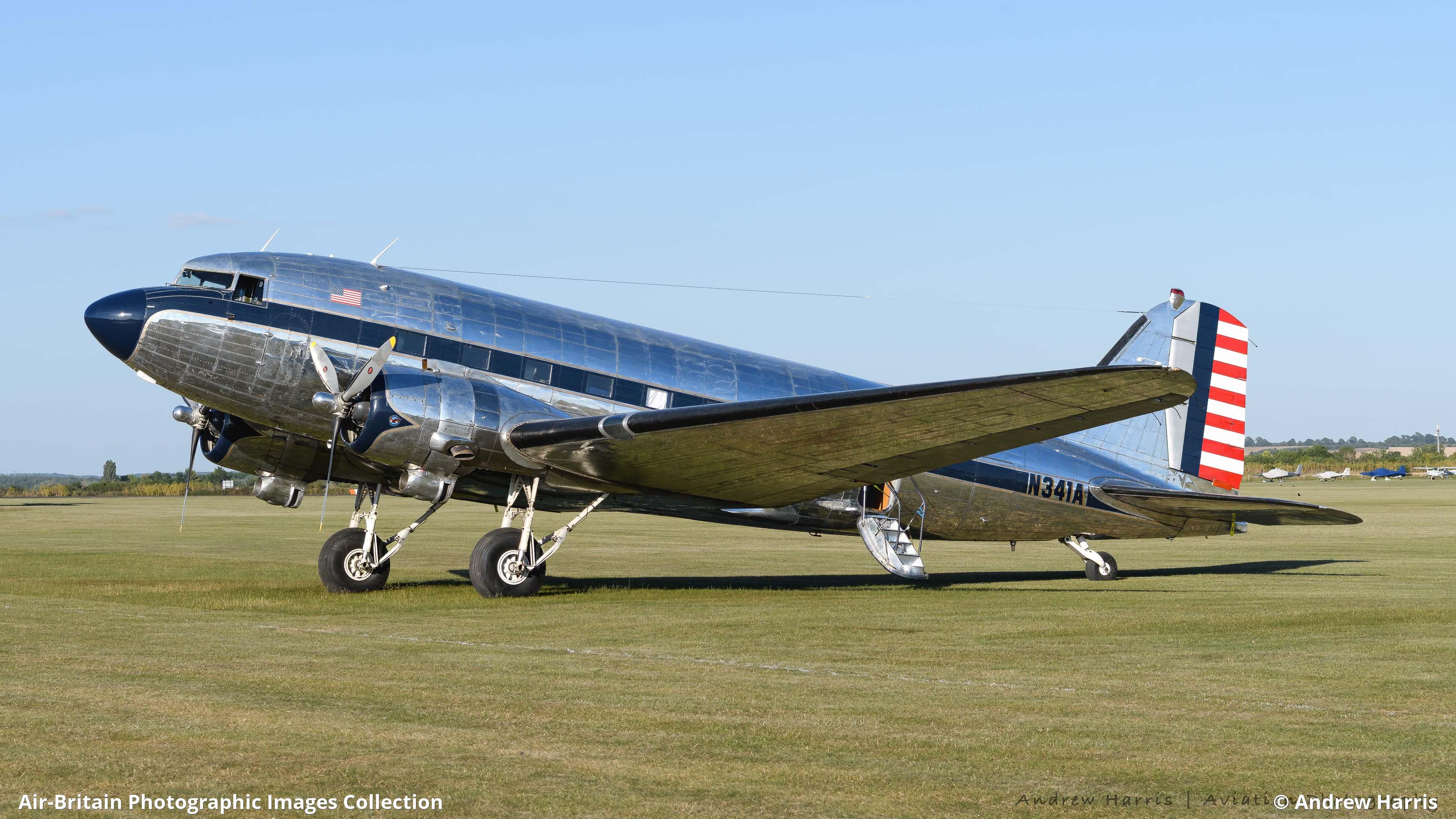
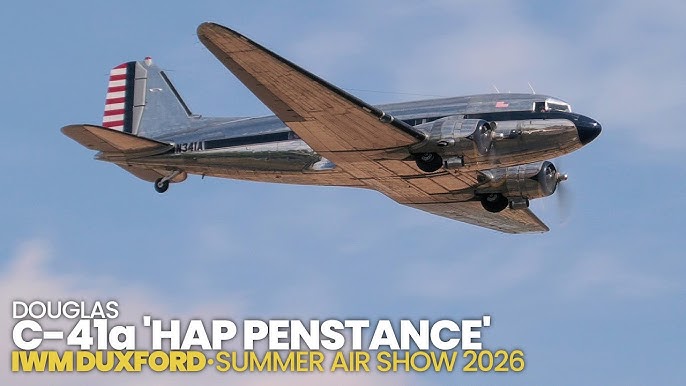
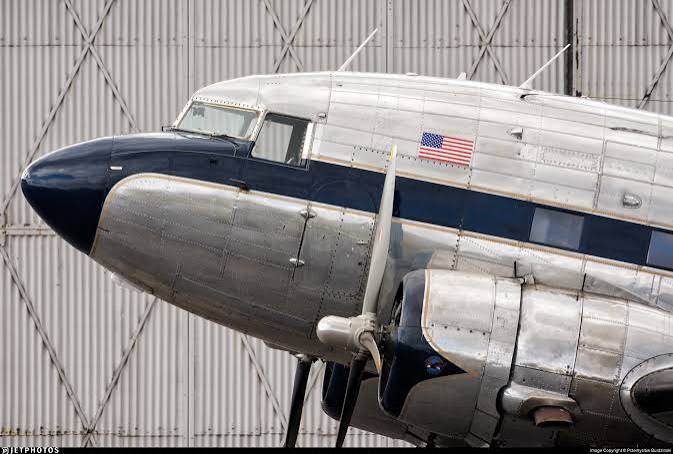
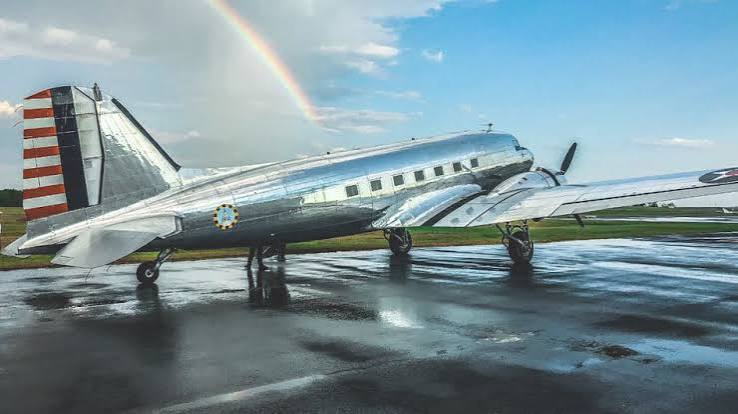
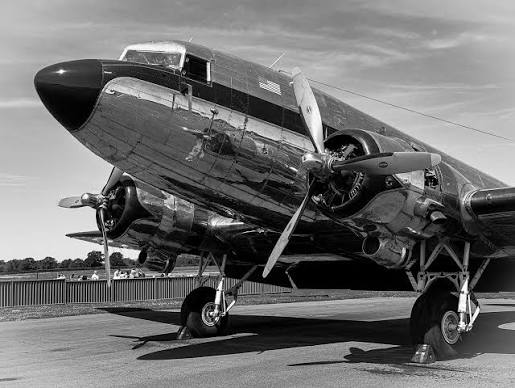
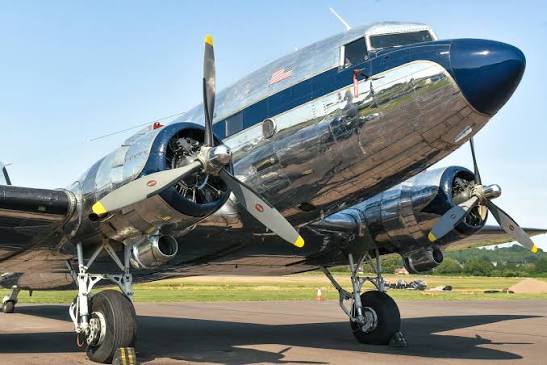
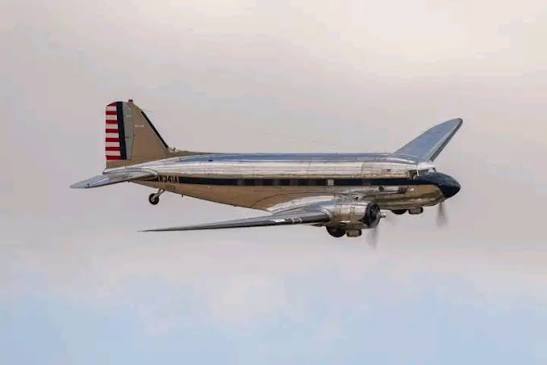
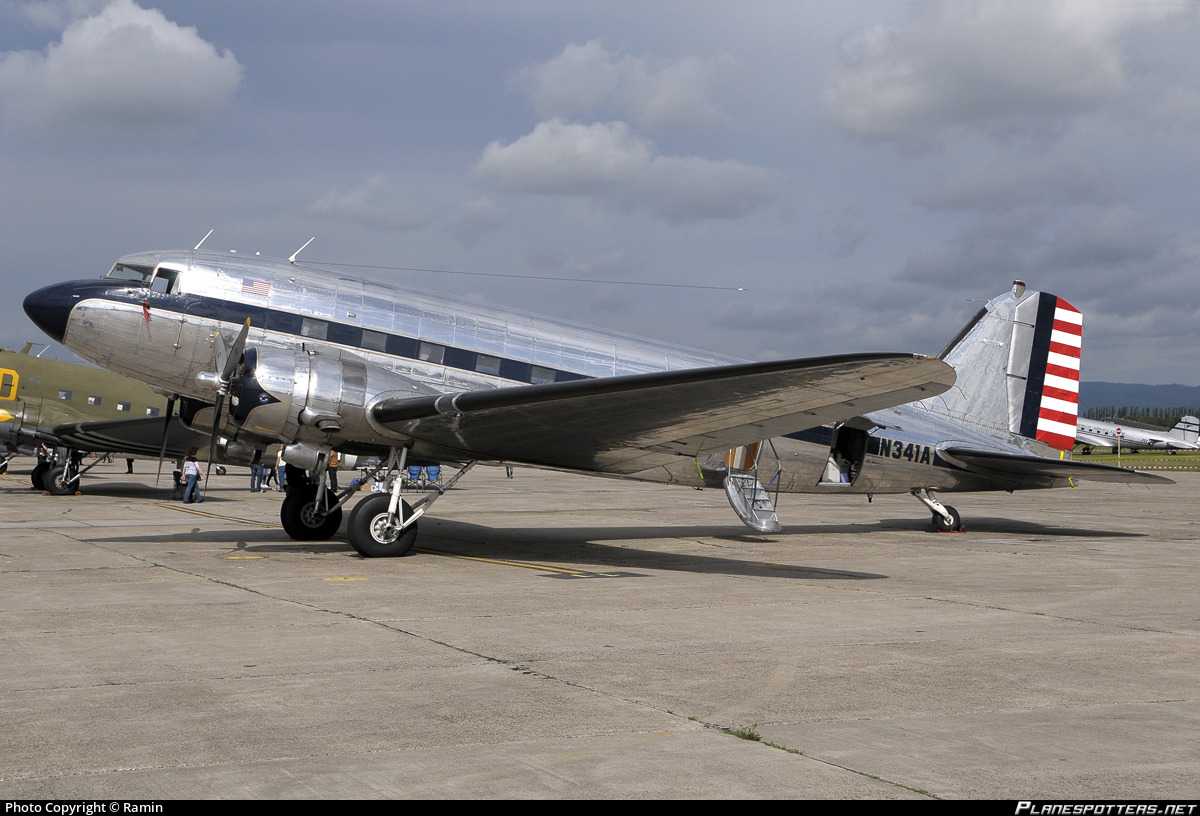
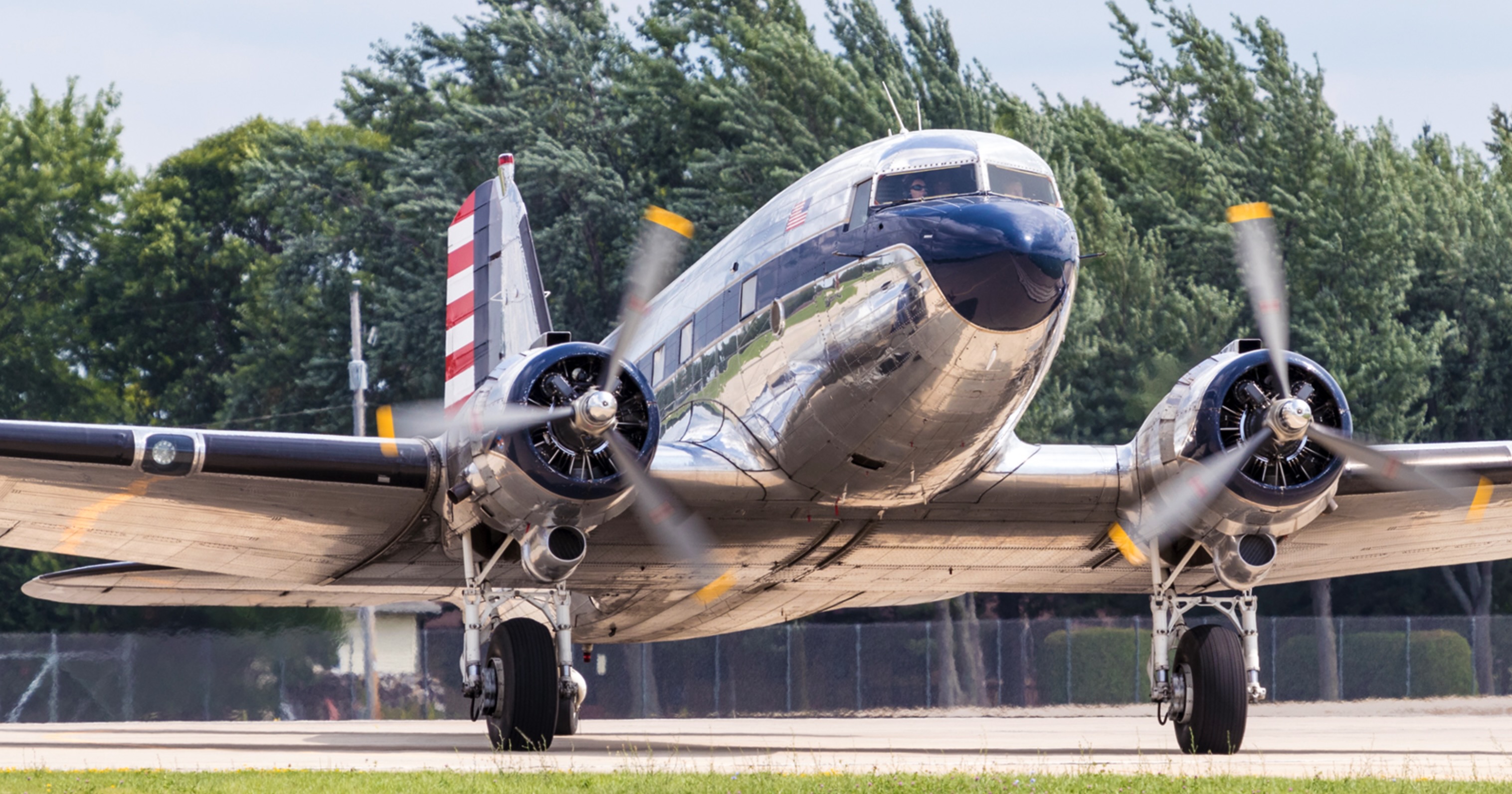
Douglas C-41A N341A, known as “Hap-Penstance”, is not simply another restored DC-3. It is the only aircraft of its particular type ever built: a specially configured 10-seat military VIP transport ordered in 1938 and delivered to the United States Army Air Corps as serial 40-0070 in September 1939.
Now based at Halfpenny Green following its return to flight in 2026, its polished aluminium finish and distinctive pre-war lines make it an exceptional photographic subject. More importantly, its long association with military command, luxury air travel and executive transportation gives us the opportunity to tell a much broader story.
This nine-hour event has therefore been divided into three distinct photographic periods. Using carefully selected re-enactors in era-appropriate clothing, we will explore the aircraft’s wartime role, recreate the atmosphere of a prestigious TWA transcontinental service in 1941 and conclude with the world of 1960s air transport.
The C-41A was one of two special Douglas transports obtained at the request of Major General Henry Harley “Hap” Arnold for senior military and government travel. Its passengers included high-ranking officers and officials, with the aircraft configured for a very different purpose from the troop-carrying C-47s that would later become synonymous with the Second World War.
Its cabin incorporated executive seating suitable for meetings, together with sleeping accommodation inspired by contemporary Douglas Sleeper Transport practice. It was intended to move senior personnel efficiently across the United States at a time when rapid long-distance military communication and travel were becoming increasingly important.
The first photographic session will evoke that wartime command role. Period military re-enactors will be used to create scenes involving senior officers, aircrew and ground personnel, presenting the aircraft as a working VIP transport rather than a conventional wartime freighter.
Henry “Hap” Arnold was one of the most influential figures in American military aviation. Having received early flying instruction from the Wright brothers, he rose to command the United States Army Air Forces during the Second World War and played a central role in developing American air power on a global scale. He later became the only officer to hold five-star rank in two US military services: General of the Army and, subsequently, General of the Air Force.
The aircraft’s connection with Arnold provides a fascinating alternative to the more familiar combat and airborne stories normally associated with the Douglas family.
Our second session will take the aircraft back to 1941 and the closing years of America’s pre-war golden age of airline travel.
Although N341A did not operate for TWA, its executive cabin, sleeping accommodation and Douglas heritage make it an excellent setting in which to recreate the appearance and atmosphere of a contemporary luxury transcontinental service.
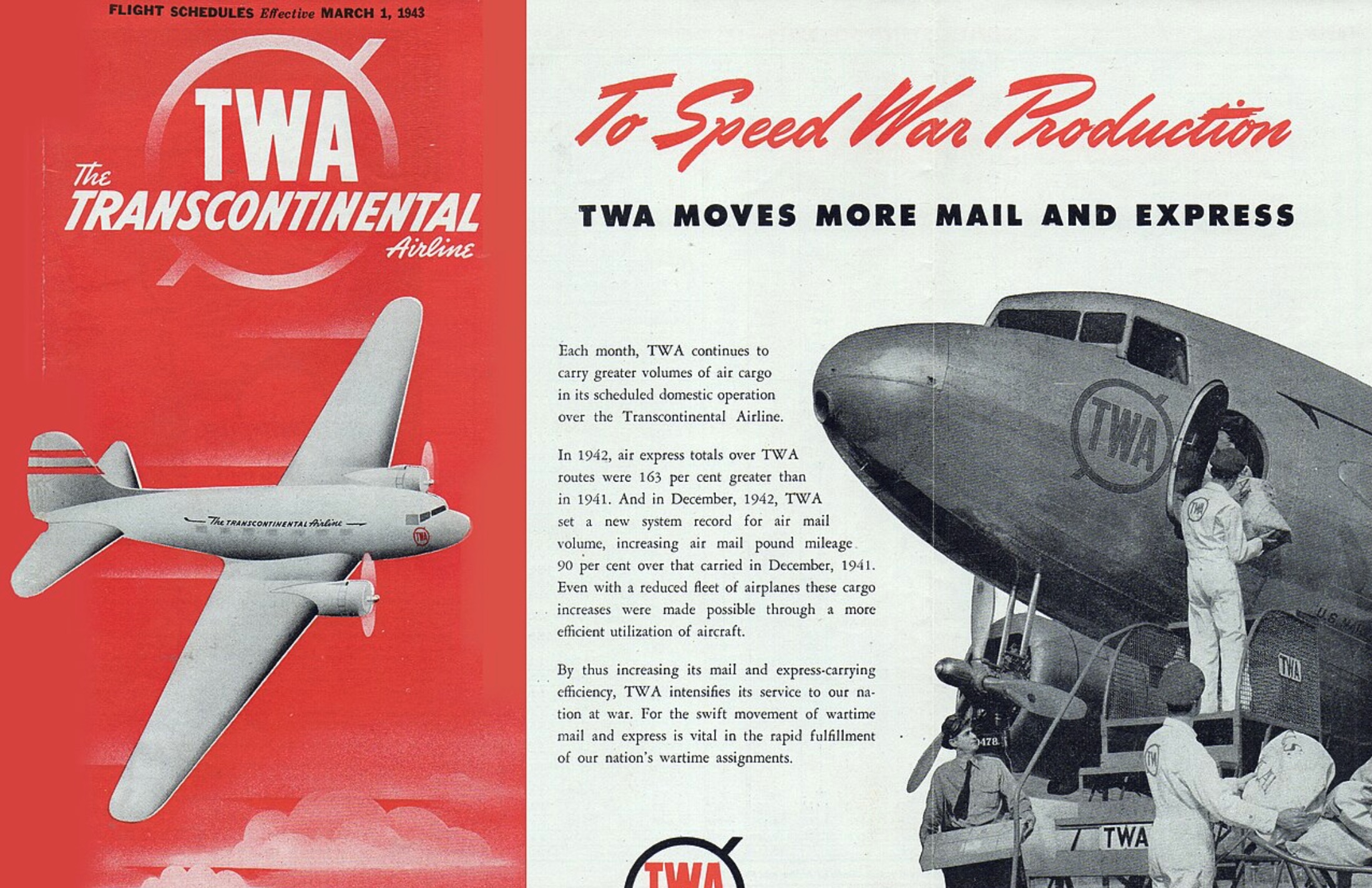
TWA had played a significant part in the development of the modern American airliner. The airline’s requirements helped bring about the Douglas DC-1 prototype and the successful DC-2, which greatly improved the speed and practicality of coast-to-coast air travel.
TWA subsequently operated two unusual Douglas DC-3B aircraft. These combined features associated with the earlier DC-2 and Douglas Sleeper Transport and included sleeping berths for overnight journeys. Their interior arrangement had notable similarities to the executive and sleeping accommodation incorporated into the C-41A.
The airline marketed its services as the Lindbergh Line, drawing upon its association with Charles Lindbergh and presenting air travel as a fast, modern and prestigious way to cross the United States. Journeys still involved several stops, but the DC-2 and DC-3 helped transform transcontinental flying from an adventurous undertaking into an increasingly practical passenger service.
Women had joined TWA’s cabin crews during the 1930s, and by 1941 the airline’s hostesses were a recognisable part of its public image. Their smart, standardised uniforms helped convey professionalism and reassurance at a time when scheduled passenger flying was still unfamiliar to much of the travelling public.
Our TWA session will use suitably dressed airline crew and passengers to create scenes inspired by a 1941 transcontinental departure. The emphasis will be on the elegance and theatre of period air travel: passengers arriving at the aircraft, luggage being prepared, hostesses welcoming travellers and flight crew readying the aircraft for another journey across America.
The year 1941 is particularly significant. TWA had introduced the pressurised Boeing 307 Stratoliner into transcontinental service during 1940, allowing passengers to travel above much of the turbulence and weather encountered by lower-flying aircraft. It represented the next generation of long-distance airliner, although Douglas aircraft remained an important part of the network.
Following the United States’ entry into the Second World War in December 1941, civilian aviation changed rapidly. Aircraft, crews and airline expertise were redirected towards the war effort, while post-war designs such as the Douglas DC-4 and Lockheed Constellation would eventually displace the DC-3 from the most prestigious long-distance routes.
Our recreation therefore captures the DC-3 era close to its pre-war peak, before luxury transcontinental flying gave way to wartime necessity.
The final session will move forward to the 1960s, when the DC-3 family had largely disappeared from front-line international airline service but remained highly valued by corporations and private operators.
The qualities that had made the design successful - reliability, a comfortable cabin and the ability to operate from relatively modest airfields - also made it a practical executive transport. Many aircraft received smart new interiors and polished corporate colour schemes, providing businesses and private owners with flexible transport before purpose-built business jets became widely available.
N341A itself passed into civilian ownership after its military career and served with a succession of private and corporate operators. This part of its history gives the aircraft a genuine connection with the executive aviation world we will recreate.
The 1960s session will feature re-enactors in period clothing, presenting the aircraft as a prestigious corporate transport. As the daylight begins to soften, we plan to create scenes involving passengers, crew and ground staff before moving towards more atmospheric photography during the closing part of the event.
Together, the three sessions will offer considerably more than a conventional aircraft shoot. They will place this unique Douglas transport into a series of accurate period air travel settings, telling its story from military command duties through the golden age of passenger travel and into post-war executive aviation.
The aircraft’s new home also has an aviation history of its own. Originally opened during the Second World War as RAF Bobbington and later renamed RAF Halfpenny Green, the airfield was used for observer, navigator and air-signaller training. Its surviving airfield environment provides a fitting location for this carefully staged event.
Tickets are priced at £120 per person.


A full itinerary will be provided closer to the event but at present we are hoping to operate on the day to a broadly similar timeline to this:
Arrival and briefing (1000hrs-1030hrs)
The event will begin at 10:00 at Wolverhampton Halfpenny Green Airport.
After arrival, registration and a safety briefing, participants will be introduced to the aircraft and the plan for the day.
Session One – USAAF Command(1030hrs-1400hrs)
The first session will place 'Hap-Penstance' in its original military context.
Re-enactors representing senior American officers, aircrew and support personnel will help recreate the atmosphere surrounding a wartime command transport. Planned photography will include clean aircraft views, crew preparations, passenger arrivals and wider narrative scenes showing how a specialist VIP aircraft might have been used.
Session Two – TWA Transcontinental Service, 1941 (1400hrs-1600hrs)
The second part of the event will recreate a TWA passenger operation at the height of the Douglas transcontinental era.
Period airline crew, hostesses and passengers will be arranged around the aircraft to produce a sequence of departure and boarding scenes. Luggage and appropriate accessories will be incorporated where available, helping to evoke the experience of American air travel immediately before the country entered the Second World War.
This is a representative historical recreation: N341A did not serve with TWA, but its configuration shares characteristics with the Douglas sleeper and executive transports of the period.
Session Three – 1960s executive transport (1600hrs-1900hrs)
The final session will move the story forward into the post-war corporate aviation era.
The aircraft will be presented as an executive transport, supported by re-enactors in appropriate 1960s business, passenger and crew clothing. The later timing should allow us to combine the polished metal aircraft with softer autumn light and, as daylight falls, more atmospheric images around the airfield.
Photography is scheduled to conclude at approximately 19:00.

Sunday 18 October 2026
Wolverhampton Halfpenny Green Airport
Crab Lane, Bobbington, Stourbridge, West Midlands, DY7 5DY
Event times
The event runs from 10:00 until 19:00.
Final arrival arrangements, parking instructions and the meeting point will be provided to ticket holders before the event.
Ticket price
Tickets cost £120 per person.
Places will be limited to protect the quality of the photography and allow participants a reasonable opportunity to work at each position.
Photography programme
The shoot comprises three themed sessions:
Wartime military command and VIP transport
TWA transcontinental airline activity in 1941
1960s corporate and executive transport
Each session will include re-enactors in appropriate period clothing. The intention is to provide a mixture of clean aircraft images, wider scenes and more detailed story-led compositions involving passengers and crew.
Aircraft presentation
N341A is a historic, operational aircraft. Its participation, positioning and any aircraft movements will remain subject to serviceability, weather, airfield operations and the instructions of its owners and crew.
An engine run, cockpit access or flight activity should not be assumed unless subsequently confirmed by COAP.
Suggested lenses
A useful full-frame selection would include:
24–70mm for full-aircraft views and groups of re-enactors
70–200mm for portraits, details and compressed perspectives
16–35mm for close, dramatic angles where access permits
A fast 35mm, 50mm or 85mm prime for portraits and lower-light photography
For APS-C cameras, a general-purpose zoom starting at approximately 16–18mm, supported by a 55–250mm or 70–300mm lens, should cover most situations.
Tripods and low-light photography
A tripod or monopod is recommended for the later stages of the event. October daylight will fall during the final session, and slower shutter speeds may be required.
Please ensure that tripod legs and camera bags do not obstruct other photographers or create a hazard around the aircraft.
Supplementary lighting and free-standing flash equipment must not be placed near the aircraft without permission.
Weather and clothing
This is primarily an outdoor event taking place in mid-October. Participants should be prepared for cool, damp or changeable weather.
Warm layered clothing, waterproof footwear and protection for camera equipment are strongly recommended. A small folding stool may be useful during breaks, provided it does not obstruct the working area.
Food and refreshments
Onsite at Halfpenny Green there is the excellent AMELIA'S BAR & RESTAURANT which will be open from 9am-5pm. The event lasts nine hours, so participants should plan to use the restaurant or bring sufficient food, water and refreshments. Short breaks will be incorporated where practical, but the photographic programme may be adjusted to take advantage of particularly good light or weather.
Fitness and accessibility
Participants should expect to remain on their feet for extended periods and to move between different positions around the aircraft. Airfield surfaces may include concrete, tarmac, grass and uneven ground.
Anyone with limited mobility should contact COAP before booking to discuss their requirements.
Historical recreation
The TWA scenes are intended as a historically informed photographic recreation. N341A was not operated by TWA, but it has been selected because its Douglas heritage, period, cabin configuration and sleeper-transport features provide an appropriate setting for the story.
The scenes will reflect the appearance and atmosphere of the period rather than reproduce a single documented flight.
Important disclaimer
All aircraft participation, re-enactors, props, positioning and planned scenes remain subject to availability, serviceability, weather and operational requirements.
COAP and the aircraft team will make every reasonable effort to deliver the advertised programme, but safety and the protection of this unique historic aircraft will always take priority.